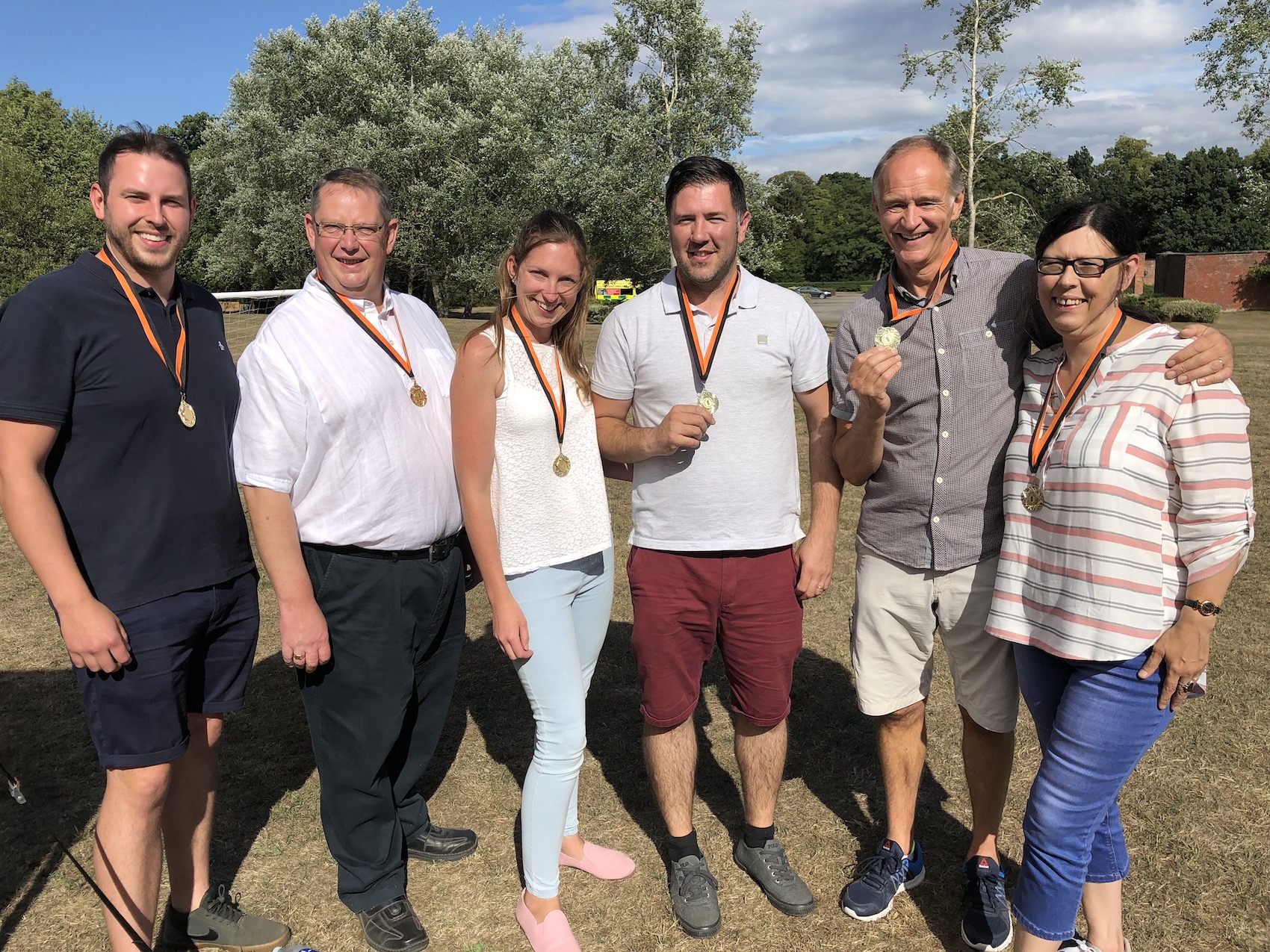
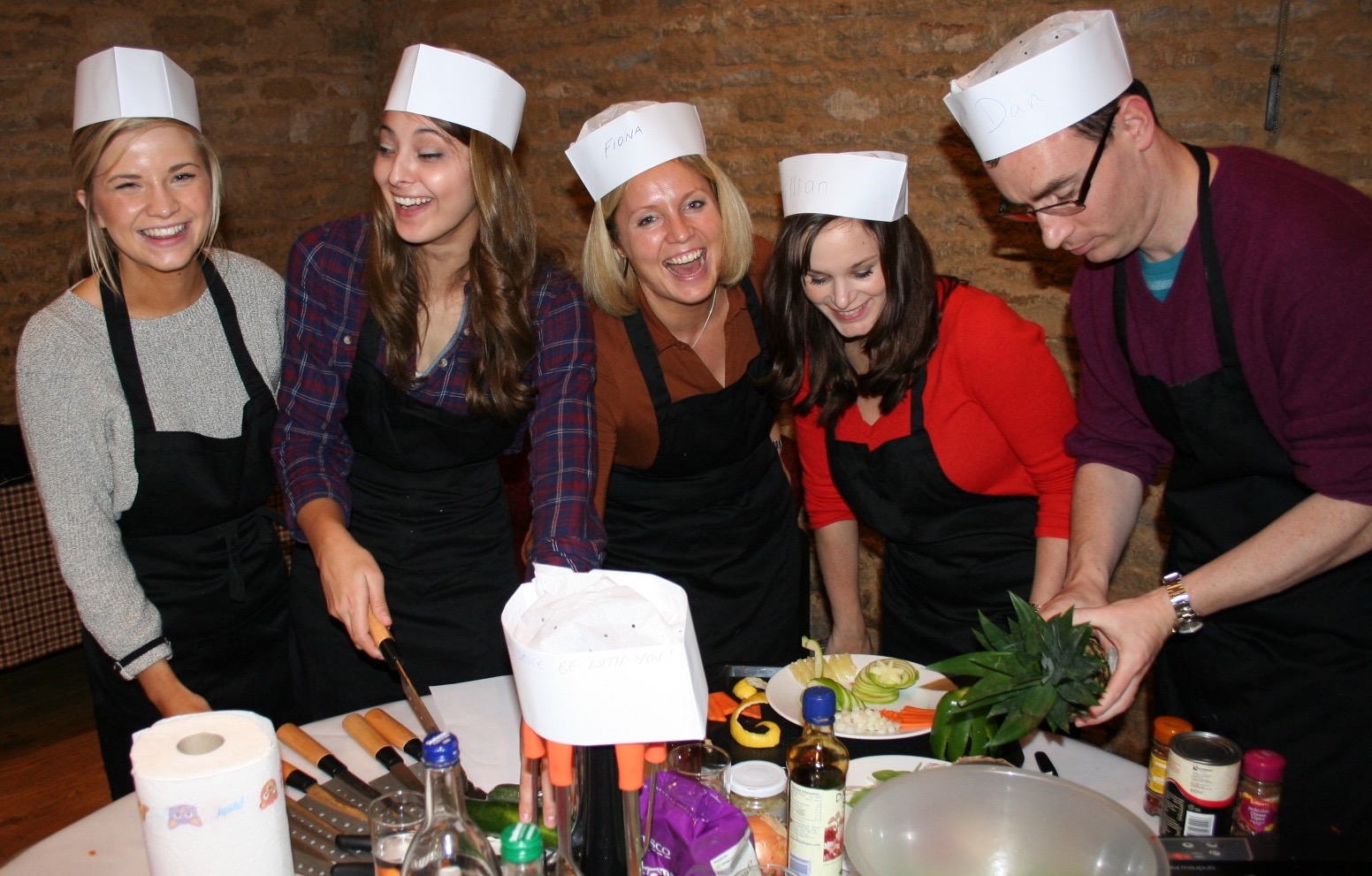
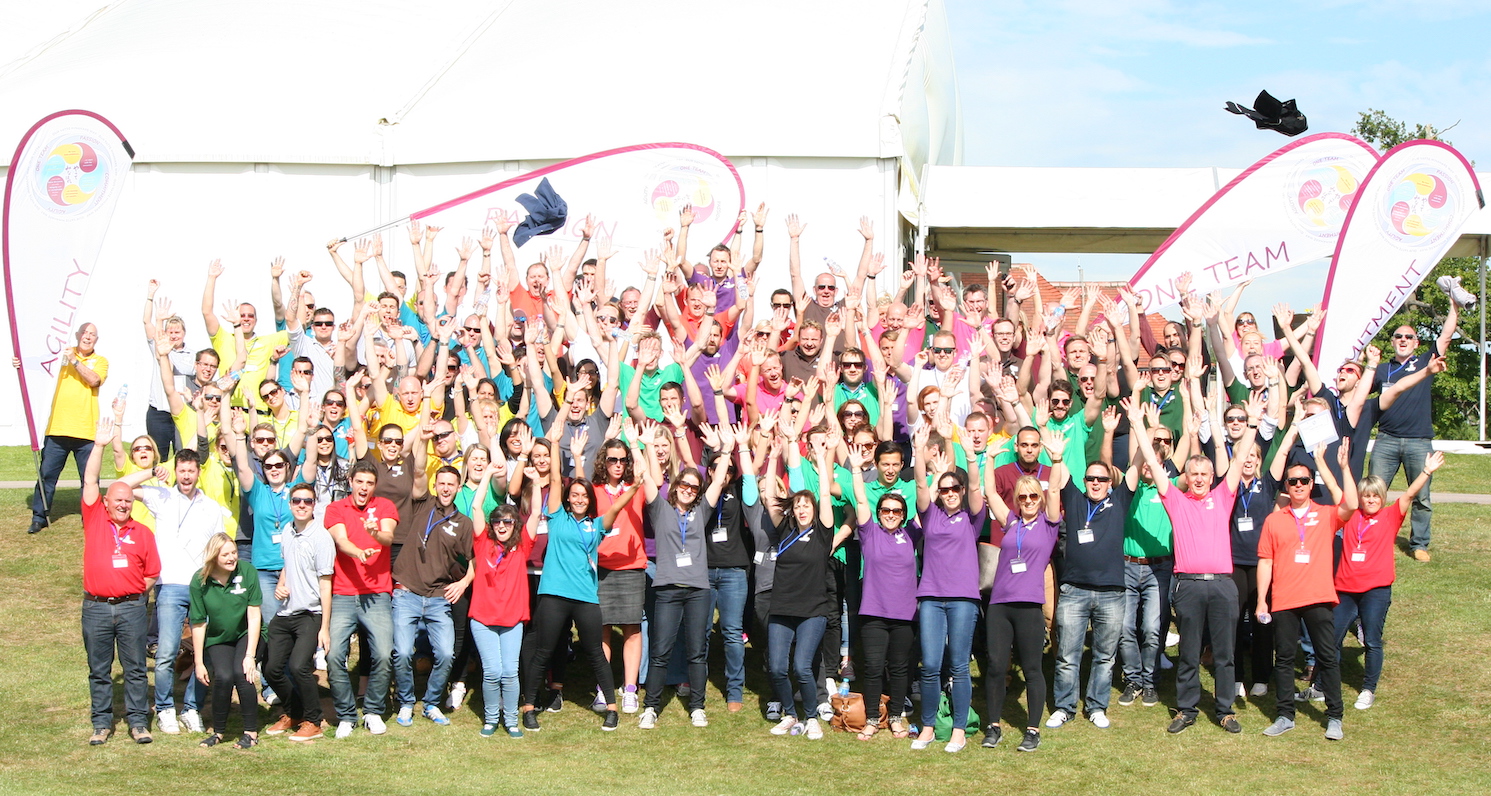
With over 31 years of experience designing corporate teambuilding events for companies of all sizes that are keen to reward and motivate their employees, we can offer our clients a level of expertise in team building that is hard to find elsewhere. Our multiple awards and great client feedback should reassure you that you are dealing with one of the best in the teambuilding business.
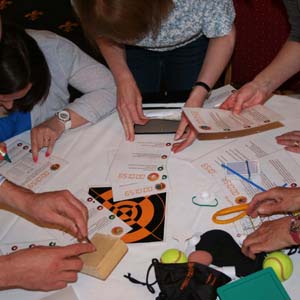
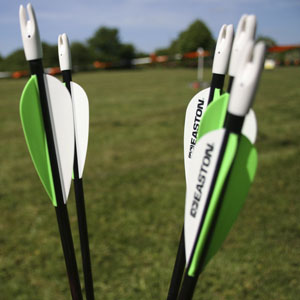
We want our clients to walk away with the 'WOW Factor' - them getting a corporate activity day that is hard to match elsewhere - from our Pump Action Crossbows in our Country Sports Event to our Bomb Defuse activity as part of our Krypton Maze. Amazing kit and amazing staff will give you an experienced unrivaled in the Events Industry.
Rather that relying on a one-size-fits-all product, we prefer to work with each company at the planning stage to create a corporate team building solution that is built around their requirements, listening to your main objectives and creating you a bespoke package.
We will inform you of the best time frames and complementary activity selections to ensure your team has a meaningful experience and not rushed through the experience.
With a large selection of both indoor teambuilding events and outdoor teambuilding events from which you can choose, we never forget that the whole purpose of the exercise is to get value from the day and create a lasting legacy.
People matter.
We spent at least a third of our day with our work colleagues - they are there for us with advice, support, humour and wisdom.
They are there for us when we need help - both at work and at home. They are the people we connect with every day in order to complete tasks and help drive the company forward.
At Teambuilding Solutions, we take these relationships seriously as we know they will form a large part of peoples lives - some of our best friends will come from relationships forged in the work environment. It is up to us to give our customers the kind of experience that will help support and enhance these relationships to help foster a better team working environment.
Our Krypton Maze event is, without doubt, our most popular and most flexible event as we run both indoor and outdoor options. The short, competitive challenges make it an ideal fun and inclusive team event. Country Sports and GPS Treasure Hunts are also incredibly popular for more action packed active outdoor events.
Free Venue Finding
We also have a free venue finding service, where we get your preferred location and suggest a range of venues that will suit your bespoke requirements. Once your dates are set and you have chosen your activities we arrange the whole thing for you, taking the weight off your shoulders. Fun, Flexible Team building Events at Team Building Solutions. Build your day with us!
Don't just take our word for it!
Our client feedback speaks for itself. Proof of this is the number of our clients who come back year after year. Our friendly team get to know our clients and get to undestand what will work for them. Our professionalism is reflected in our sales process and in our event delivery so we take all the stresses away from planning your events.
Account Management
As a small team, you get to know us during the planning stage. To us, you are more than just a number and another event - you are why we exist! We know that delivering a great event will not only bring you back to us next time, but contribute to your companies success and happiness within the work force.
17/04/2025 What is an office vibe? It’s the way people interact, the energy in the room, and it reflects whether people enjoy what they do. This is an atmosphere which isn’t accidental, it’s made up of a range of different factors. A positive work environment is key, and is the thing which keeps people feeling supported and makes them excited to go to work each day. If your office vibes are feeling off, it’s time to make a change… Lead with Emotional IntelligenceIf you’re a team leader, it’s important to ensure that employees in the company can come to you if they need to. It’s harder to approach a t...